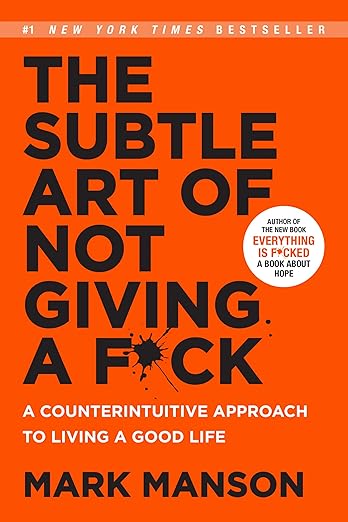
The Concise 48 Laws of Power Robert Greene
+ Law 1: Never Outshine the Master
- Watch for superiors who feel threatened by your competence — don't let their insecurity quietly cap your growth.
- If your visibility is being deliberately suppressed to protect someone's ego, look for ways to be recognized elsewhere.
Law 2: Never Put Too Much Trust in Friends, Learn How to Use Enemies
- Notice when a "friend" nudges you toward decisions that quietly serve their interests over yours.
- Don't dismiss a critic's insight just because you dislike them — useful truth can come from unlikely sources.
Law 3: Conceal Your Intentions
- If someone's real motive hides behind a friendly front, judge them by their pattern of actions, not their words.
- Protect your own plans from those who might use foreknowledge against you, and stay alert to those who never reveal theirs.
Law 4: Always Say Less Than Necessary
- When someone gives deliberately vague answers, don't fill the silence with your own assumptions — ask directly.
- Protect your position by not over-explaining or oversharing when it isn't necessary.
Law 5: So Much Depends on Reputation — Guard It with Your Life
- Don't let one bad rumor or unfair narrative define you — correct the record before it hardens.
- Be cautious of people whose reputation has outpaced their actual track record.
Law 6: Court Attention at All Cost
- Don't confuse loud visibility with real substance — question people who perform confidence more than competence.
- Protect your own reputation from being drowned out by louder, less capable voices.
Law 7: Get Others to Do the Work for You, But Always Take the Credit
- Notice when your effort is being quietly absorbed into someone else's credit, and document your contributions.
- Give credit generously yourself, but don't let your generosity turn into exploitation.
Law 8: Make Other People Come to You — Use Bait If Necessary
- Be skeptical of offers that seem designed to make you chase them — genuine opportunities rarely need bait.
- Don't let urgency or FOMO push you into moving on someone else's terms.
Law 9: Win Through Your Actions, Never Through Argument
- If someone avoids reasonable discussion and only "shows" results, look past the performance to the substance.
- Let your own results speak, but don't dismiss a valid argument just because action feels more persuasive.
Law 10: Infection: Avoid the Unhappy and Unlucky
- Don't confuse someone's hard luck with bad character — judge people by their choices, not just their circumstances.
- Protect your own energy by setting boundaries with chronic negativity, without becoming cold or dismissive.
Law 11: Learn to Keep People Dependent on You
- Notice when a relationship or job is structured to make you unable to leave — keep building skills and options outside it.
- Avoid becoming so dependent on one source that you lose your own leverage and freedom.
Law 12: Use Selective Honesty and Generosity to Disarm Your Victim
- Be cautious of unearned generosity that arrives right before a big ask — reciprocity can be manufactured.
- Stay grounded in facts even after someone earns your trust with one honest gesture.
Law 13: When Asking for Help, Appeal to People's Self-Interest, Never to Their Mercy or Gratitude
- If someone frames a request purely around what's in it for you, evaluate the deal on its own merits, not the pitch.
- Don't feel obligated to help just because someone invokes gratitude or guilt — decide based on your actual interest.
Law 14: Pose as a Friend, Work as a Spy
- Be mindful of how much sensitive information you share with people who haven't earned real trust.
- Notice when someone's friendliness always seems to circle back to gathering information about you.
Law 15: Crush Your Enemy Totally
- If a conflict resolves too neatly without addressing the real issue, expect it to resurface later.
- Protect yourself by fully resolving disputes rather than leaving unresolved resentment to fester.
Law 16: Use Absence to Increase Respect and Honor
- Don't mistake someone's calculated distance for indifference — read the pattern, not just the absence.
- Value your own presence appropriately; don't overexpose yourself trying to prove your worth.
Law 17: Keep Others in Suspended Terror: Cultivate an Air of Unpredictability
- If someone's behavior is erratic on purpose to keep you anxious, name the pattern instead of absorbing the stress.
- Build your own stability so others' unpredictability doesn't end up controlling your decisions.
Law 18: Do Not Build Fortresses to Protect Yourself — Isolation Is Dangerous
- Don't let fear of betrayal push you into total isolation — staying connected keeps you informed and supported.
- Balance healthy boundaries with genuine relationships; isolation itself can become a vulnerability.
Law 19: Know Who You're Dealing with — Do Not Offend the Wrong Person
- Take time to understand people before reacting — misreading someone's temperament can cost you unnecessarily.
- Don't assume everyone will respond to conflict or criticism the way you would.
Law 20: Do Not Commit to Anyone
- Be wary of people who refuse to ever take a side or commit — it can mean they're keeping options open at your expense.
- It's fine to stay independent yourself, but don't let others' noncommittal behavior leave you exposed.
Law 21: Play a Sucker to Catch a Sucker — Seem Dumber Than Your Mark
- If someone consistently downplays their own competence, don't underestimate what they're actually capable of.
- Trust track records over first impressions of someone's intelligence or skill.
Law 22: Use the Surrender Tactic: Transform Weakness into Power
- Recognize that someone conceding easily may be repositioning, not truly giving up.
- It's okay to yield strategically yourself — a tactical retreat isn't the same as defeat.
Law 23: Concentrate Your Forces
- Notice when you're being pulled in too many directions at once — that dilution can be used against you.
- Protect your priorities by saying no to distractions that scatter your focus.
Law 24: Play the Perfect Courtier
- Watch for people who are charming to absolutely everyone — universal flattery is rarely sincere.
- Don't let politeness and subtlety fool you into missing someone's real agenda.
Law 25: Re-Create Yourself
- Don't let others box you into an old identity or past mistake — you're allowed to grow past who you were.
- Be cautious of people who reinvent themselves suspiciously often with no accountability for the past.
Law 26: Keep Your Hands Clean
- If someone consistently avoids blame while others take the fall, look closely at the pattern before trusting them.
- Take responsibility for your own actions rather than routing risk through others.
Law 27: Play on People's Need to Believe to Create a Cultlike Following
- Be skeptical of vague, grand promises that ask for belief without evidence.
- Protect your own judgment by questioning charismatic leaders as carefully as unremarkable ones.
Law 28: Enter Action with Boldness
- Don't mistake someone's boldness for correctness — confidence isn't proof of competence.
- Have the courage to act on your own convictions instead of waiting for permission or certainty.
Law 29: Plan All the Way to the End
- Be wary of people who push you into quick decisions without letting you think through the consequences.
- Protect yourself by always asking "and then what?" before committing to something significant.
Law 30: Make Your Accomplishments Seem Effortless
- Don't measure your own worth against someone else's curated, effortless-looking success — you don't see their real process.
- Give yourself credit for the visible struggle behind your own accomplishments.
Law 31: Control the Options: Get Others to Play with the Cards You Deal
- If every choice you're given leads to the same outcome, recognize the options were never really free.
- Before deciding, ask whether there are choices outside the ones being presented to you.
Law 32: Play to People's Fantasies
- Be cautious of pitches or promises that feel too flattering or too easy to be true.
- Ground big decisions in reality, not in how appealing the story sounds.
Law 33: Discover Each Man's Thumbscrew
- Be aware of your own pressure points so others can't easily exploit your insecurities or desires.
- Notice when someone is probing for your weaknesses under the guise of getting to know you.
Law 34: Be Royal in Your Own Fashion: Act like a King to Be Treated like One
- Don't let someone's manufactured confidence intimidate you into deferring without reason.
- Carry yourself with genuine self-respect, not performative entitlement.
Law 35: Master the Art of Timing
- Don't let urgency tactics rush you into decisions before you're ready.
- Be patient with your own plans; the right moment matters more than speed.
Law 36: Disdain Things You Cannot Have: Ignoring Them Is the Best Revenge
- Recognize when someone's studied indifference toward you is a strategy, not genuine disinterest.
- Choose your battles — not every slight deserves a reaction, and that restraint is a strength, not a weakness.
Law 37: Create Compelling Spectacles
- Don't let dramatic presentation distract you from evaluating the substance underneath.
- A convincing show is not the same as a sound decision — learn to separate the two.
Law 38: Think as You Like but Behave like Others
- Don't assume someone's outward conformity reflects their true beliefs — people often mask what they really think.
- It's reasonable to keep your private opinions to yourself in situations where openness isn't safe or useful.
Law 39: Stir Up Waters to Catch Fish
- If you feel provoked into an emotional reaction, pause — someone may be trying to cloud your judgment.
- Protect your decision-making by staying calm when others try to agitate you.
Law 40: Despise the Free Lunch
- Be suspicious of offers that ask for nothing in return — hidden costs usually show up later.
- Value what you've earned yourself; it gives you more standing than what was simply handed to you.
Law 41: Avoid Stepping into a Great Man's Shoes
- Don't judge yourself or others too harshly for not matching a predecessor — different circumstances, different results.
- Give people, including yourself, room to build a distinct path instead of forcing unfair comparisons.
Law 42: Strike the Shepherd and the Sheep Will Scatter
- If a group's opposition to you suddenly dissolves, consider whether its source of influence was removed or redirected.
- Understand influence structures before assuming a group's unity or hostility is permanent.
Law 43: Work on the Hearts and Minds of Others
- Be aware when someone is working on your emotions to guide your decisions rather than appealing to reason.
- Build genuine connection with others rather than relying on coercion to get their cooperation.
Law 44: Disarm and Infuriate with the Mirror Effect
- If someone mirrors your behavior back at you, recognize it as a tactic rather than taking the bait emotionally.
- Respond deliberately instead of reacting when you notice your own words or actions being reflected back.
Law 45: Preach the Need for Change, but Never Reform Too Much at Once
- Be cautious of sweeping promises of change with no concrete, gradual plan behind them.
- When leading change yourself, respect people's need for stability and introduce it at a manageable pace.
Law 46: Never Appear Too Perfect
- Don't be suspicious of someone just because they show flaws — real competence doesn't require hiding every mistake.
- Watch for envy directed at you or others over success, and don't let it distort who actually deserves credit.
Law 47: Do Not Go Past the Mark You Aimed for; In Victory, Learn When to Stop
- Recognize when you've achieved enough in a negotiation or conflict — pushing further can cost you the win.
- Watch for others who keep escalating after "winning," and know when to disengage rather than match their overreach.
Law 48: Assume Formlessness
- Don't be unsettled by people who are hard to categorize — adapt your understanding rather than forcing them into a fixed box.
- Stay flexible in your own responses rather than committing to rigid patterns that others can predict and exploit.